Category: Blogs

  • What Is an Earthmoving Service? Blackwood SA Costs & Process

    What Is an Earthmoving Service? Blackwood SA Costs & Process

    Earthmoving service may look like a complex term, but in simple words, it means transferring soil, rocks and debris to prepare land for a project. This is a very first step in developing construction, landscaping, or infrastructure. Without it, no structure or garden will run, as the base below it will be unstable.

    In today’s world, advanced machinery and skilled operators make the Earth faster, safer and more accurate. 

    male working on earthmoving

    What is an earthmoving service?

    An economy service creates land so that it can support construction or landscaping. This may include cleaning a block, digging the foundation, cleaning grading surfaces or removing excess soil. These services are essential for industries such as construction, landscaping, roadwork and mining.

    In Australia, local contractors play a particularly important role. Each area consists of unique soil conditions and weather patterns. For example, blackwood land in SA can behave very differently with coastal soil. An earthmoving contractor familiar with the local environment ensures that the site is properly prepared and complies with Australian standards.

    The Process of Earthmoving

    Earth is done in stages to ensure permanent results. The first site evaluation and plan come, where surveys and soil tests determine how the land should be handled. The next step is clearing, which removes vegetation, debris or old structures from the region.

    Follow excavation and removal of soil. This occurs when trenches, foundations and other essential places are dug, and excess soil is removed. Once the excavation is done, the land is classified and compacted, so it becomes stable and level. Preparations for drainage and utility are also completed at this level to correctly ensure the flow of water and underground services such as pipes can be safely installed. The final stage is shaping and finishing the ground, making it ready for construction or landscaping.

    Equipment Used in Earthmoving

    Different machines are used depending on the task. Excavators handle digging and trenching, while bulldozers push and level soil. Backhoes are versatile and useful for both digging and lifting. Graders smooth out large surfaces, dump trucks carry away material, and compactors ensure the soil is stable and ready to support heavy structures.

    backhoe for earthmoving

    Earthmoving in Everyday Life – An Analogy

    At first glance, earthmoving may look like just moving the dirt. In fact, it is about building a strong foundation that ensures that buildings, roads and landscapes last for decades. Without careful preparation, even the most expensive project will eventually fail.

    The same principle applies to everyday life. Community care services, such as support under NDIS, provide individuals with the foundation to live independently and confidently. The way efficient operators shape the land for safe growth, the care gives the shape to the provider who allows people to flourish. Both are about the creation of stability for long-term strength.

    Why Professional Earthmoving Matters?

    It is important to hire professionals for earthmoving. This guarantees compliance with the Australian standards and ensures that the work is done safely. DIY earthmoving is risky. Professional contractors finish faster, safer, and usually cheaper long-term.

    Perhaps most importantly, expert preparation prevents long-term issues such as uneven foundations, drainage failures or soil erosion. Starting with professional assistance, you reduce the risk and protect your investment for the coming years.

    Choosing the Right Earthmoving Contractor in Australia

    The quality of your project depends heavily on the contractor you choose. Experience is essential, as seasoned professionals know how to handle different terrains and project types. Proper licensing and insurance are non-negotiable, providing security for both the contractor and the client.

    Cost will vary based on the size of the project. Small residential excavations are generally affordable, while large-scale site preparations are a bigger investment. Local knowledge is another key factor. Contractors who understand soil conditions, weather, and council requirements in their region, such as Blackwood, SA, can deliver more reliable results.

    Earthmoving Service Prices in Blackwood, SA

    Earthmoving costs in Blackwood (Adelaide Hills region) are usually charged per hour or per job, depending on the project scale. Below are the current average prices in South Australia:

    Earthmoving Service Exact Price Range (AUD) Typical Basis
    Mini excavator hire (1.5–3 tonnes) $95 – $120 per hour Includes operator
    Standard excavator (5–8 tonnes) $120 – $150 per hour Includes operator
    Large excavator (10+ tonnes) $150 – $200 per hour Used for commercial/bulk digs
    Bobcat / Skid Steer loader hire $90 – $110 per hour Common for driveways & landscaping
    Tipper truck hire (soil removal) $95 – $130 per hour Plus disposal/dump fees
    Site cuts & leveling (residential) $1,500 – $3,500 total Depends on slope & soil type
    Pool excavation $3,500 – $6,500 total Adelaide Hills rock can increase cost
    Retaining wall excavation prep $1,800 – $4,500 total Varies by wall length & access

    Why Choose John Walters Landscaping?

    At John Walters Landscaping, we are more than just an earthmoving provider. We are a trusted partner who helps lay the groundwork for projects of all sizes. Our team has extensive local experience and understands the challenges posed by South Australian soils and climates.

    Every operator on our team is fully licensed, trained, and committed to delivering precise and safe results. We use modern machinery, including GPS and laser-guided systems, to ensure accuracy and efficiency. Whether you are preparing a backyard for landscaping or a site for major construction, we bring the same professionalism and care to every job.

    What sets us apart is reliability. We respect deadlines and budgets while maintaining the highest standards of workmanship. Our reputation has been built on trust and consistent results, and we continue to be the first choice for homeowners, builders, and developers across the region. For anyone seeking a dependable earthmoving service in South Australia, John Walters Landscaping is the name to remember.

    earthmoving service by a women

    Conclusion

    Earthmoving is the foundation of every successful project. From planning and excavation to grading and finishing, it ensures that land is safe, stable, and ready for long-term use. Attempting to cut corners at this stage almost always leads to costly problems later.

    With John Walters Landscaping, you are choosing a contractor with experience, advanced technology, and a commitment to quality. Our earthmoving services are efficient, affordable, and tailored to the unique conditions of South Australia. When reliability matters most, we are the partner you can trust to deliver results that last.
  • Decorative Retaining Walls: Strong and Stylish Solutions for Your Garden

    Decorative Retaining Walls: Strong and Stylish Solutions for Your Garden

    Ever wonder if those pretty decorative retaining walls are just for show or if they are doing anything? However, for all of those Australians, particularly for those living in places like Blackwood and the Adelaide Hills, where sloping blocks and erosion can be rife, this is an important question. 

    Retaining walls are not only decorative and beautiful in your garden, but they are also there to hold up and support the soil to keep it from giving.

    decorative retaining walls

    What Are Decorative Retaining Walls? 

    A decorated top retaining wall company serves the purpose in style. These are not just your standard boring walls; they will hold back soil and look great doing it! Typically, the materials used to construct arches are stone, brick, timber with a covering of a variety of materials that can vary from concrete blocks to tile. 

    In brief: they are attractive and put in a lot of work to discourage soil movement. 

    Do Decorative Retaining Walls Really Keep Your Garden Safe? 

    Yes. Provided it is installed properly, decorative retaining walls are as strong as regular retaining walls. They are useful for retaining garden soil, stabilising raised beds and creating a garden terrace at sloping sites. 

    In places such as Blackwood and the Adelaide Hills, where there are many steep inclines, these walls are not only useful but also necessary. 

    How Do They Work? 

    A properly designed and well-built decorative retaining wall accomplishes much more than just holding back soil — it also manages water flow and protects surrounding features like garden beds, paths, and driveways. The process usually involves: 

    1. Excavation & Base Works – You want a strong base, on the level. 
    2. Constructing the wall – Selecting the right materials and design for your project. 
    3. Drainage Installation – Including pipes or gravel to drain water off. 
    4. Backfill & finish – Backfilling the wall and finishing it off. 

    Top Materials for Decorative Retaining Walls 

    Which one you should go with will ultimately depend on your budget, soil type, and what style you hope to achieve. Common options include: 

    1. Bluestone Premium – Beautiful and durable. 
    2. Sandstone – A friendly and neutral look. 
    3. Cinder blocks – Budget-friendly and adaptable. 
    4. Timber – Looks good but might need maintenance more often. 
    5. Brick veneer – Traditional and clean in homes. 

    Bluestone and concrete blocks are also popular in South Australia due to their resilience and appearance. 

    Benefits of Decorative Retaining Walls 

    Soil and garden protection to avoid erosion and soil loss. 

    • The land of a house can add 5–12 percent to the selling price of a home.” 
    • Develop outdoor living areas for entertaining or relaxing. 
    • Maintain neat garden beds. 
    • Things to Keep in Mind 

    There is also upkeep to consider, with timber walls potentially needing more maintenance than stone or concrete. 

    Badly made ones may tend to crack, or fail as time passes. 

    Within South Australia, heights cannot exceed 1 metre without council consent. 

    How much are decorative retaining walls in Australia? 

    The price will differ according to the materials and the size of the wall and site access. On average: 

    • Concrete blocks: $250–$450 per m² 
    • Stone or quality finishes: $300–$600+ a square metre 

    Some other things that can affect pricing are the height of the wall, the need for drainage and how much work the outlet have to do. 

    When to Opt for Decorative Retaining Walls over Standard Ones 

    Opt for a decorative wall in visible areas like front gardens, outdoor entertaining zones, or any place where aesthetics matter. When no one will see them, and they are not used as a place to sit, bare concrete walls are acceptable. 

    Quick guide: 

    Trees obscured retaining wall → plain concrete 

    High-visibility area → Decorative design 

    Want to learn more about Local Builders then check out our blog How to Find Good Local Builders

    Frequently Asked Questions 

    1. Do decorative walls hold up as well as plain ones? 

    A professional can construct a decorative retaining wall that is just as hardwearing and long-lasting as a plain structural wall. The most important item is solid and good workmanship, and using proper materials for the site condition. 

    2. Do they need more maintenance? 

    Not usually. Stone, concrete, and block walls need minimal maintenance. Wood walls are sometimes sealed or treated to maintain their appearance over time. 

    3. Can retaining walls be constructed on steep grades? 

    Absolutely. Stylish Retaining Walls Retaining walls look pretty as well as serving a safety and prevention function. In the right designs and engineering, they can give you strength and looks in difficult land conditions. 

    4. Do I require council approval in SA? 

    Yes, you generally require a council approval in SA for retaining walls that are higher than 1 metre, regardless of whether they are decorative or plain. Always consult your local council before you begin building. 

    5. Do decorative retaining walls have the same strength as structural walls? 

    Decorative retaining walls are meant to be beautiful and completely functional. When built properly, they provide the same (or greater) strength and soil retention of typical engineered structural retaining walls. 

    Final Thoughts 

    Ornamental Retaining Walls Functionality aside, decorative retaining walls do so much more than sit and look pretty. They shore up your garden, prevent erosion, and make outdoor areas both useful and inviting. 

    At John Walters Landscaping, we specialise in building walls that complement your terrain, yet are tough enough to take whatever Australia can throw at them. 

    Get in touch today with our top retaining wall company and start turning your longing for a long-lasting retaining wall into something you can be proud of. 

  • How to Find Good Local Builders in Blackwood: A Simple Guide for Homeowners (2025)

    How to Find Good Local Builders in Blackwood: A Simple Guide for Homeowners (2025)

    If you reside in or near South Australia, specifically Blackwood, and you are considering renovating or constructing a portion of your house, it is crucial to identify reliable local builders. Competent builders will ease your financial, temporal, and emotional burden during the renovation process.

    Local builders in Blackwood prove to be immensely helpful whether you are remodelling a bathroom or adding a new patio to your house.

    Local Builders in Blackwood

    Why Picking the Right Builder Is So Important

    In 2024, bad building work cost Australians over $2.1 billion. This usually happens when people hire the wrong builder.

    Problems with Bad Builders:

    • Not licensed or insured
    • Bad communication
    • Going over budget
    • Not following safety rules

    Good Builders Give You:

    • Peace of mind
    • Work done on time
    • No surprise costs
    • Proper council approvals

    What to Look For in a Local Builder

    What to Check Why It’s Important
    Licence & Insurance Makes sure they are legal and covered
    Local Experience They know the Blackwood area and rules
    Reviews Shows what others think of their work
    Portfolio Let’s you see what they’ve built before
    Warranty Covers you if something breaks later (6+ years for big work in SA)

    Step-by-Step: How to Find Good Local Builders in Blackwood

    1. Know What You Want to Do

    Are you adding a room, fixing the kitchen, or working on the yard? Different projects need different builders.
    Tip: A builder for house extensions is not the same as one for building retaining walls.

    2. Use Local Websites

    Search on trusted sites like:

    • hipages
    • Oneflare
    • LocalSearch
    • BuildersChoice SA

    Use search terms like “local builders in Blackwood SA” to find the right people nearby.

    3. Check Licences

    Go to SA.gov.au Licence Register to make sure the builder has the right licence.

    4. Talk to a Few Builders

    Ask them questions like:

    • How long will the job take?
    • What materials will you use?
    • Do you clean up after the job?
    • Do you use other workers?

    Tip: Ask for a clear quote with all costs included.

    5. Compare Your Options

    Make a simple chart to help you decide:
    Builder | Price | Time | Local Jobs Done | What’s Included

    6. Look at Their Past Work

    Ask if you can visit homes they’ve worked on in Blackwood. Seeing their work helps you decide.

    7. Ask About Landscaping

    If your project includes things like driveways or garden walls, you’ll need a landscaper too. John Walters Landscaping works with trusted local builders in Blackwood to make sure your project goes smoothly.

    How Much Do Builders Cost in South Australia? (2025)

    Job Type Average Cost
    General Building $1,500 – $4,000 per square metre
    Bathroom Renovation $15,000 – $30,000
    Outdoor Projects $200 – $450 per square metre
    Small Repairs $60 – $90 per hour

    Note: Prices can change depending on weather, materials, or council rules in places like Blackwood and Adelaide Hills.

    Warning Signs to Watch Out For

    Avoid any builder who:

    • Doesn’t have a licence or ABN
    • Won’t give you a written contract
    • Offers prices that seem too low
    • Has bad reviews or no reviews at all
    • Asks for large cash payments before starting

    Why John Walters Landscaping Works With Trusted Builders

    John Walters Landscaping is a South Australia company, which collaborates with local builders in Blackwood. This collaboration ensures alignment of the construction and landscaping elements of your project.
    We know which builders are reliable and make sure they follow proper outdoor construction protocols like ground prep and water drainage.

    Questions People Often Ask

    Do I need a licensed builder for small jobs?

    Yes. In South Australia, if the job costs more than $12,000, the builder must be licensed.

    How many quotes should I get?

    Try to get 3 to 5 quotes so you can compare.

    How long does a building project take?

    • Small jobs: 1–2 weeks
    • Big jobs like renovations: 4–12 weeks

    Can one builder do everything, including landscaping?

    Not usually. Builders and landscapers are different. John Walters Landscaping works with builders to handle both parts.

    What is the most common mistake when hiring builders?

    Choosing only by price. Experience and clear contracts are more important.

    Conclusion

    Securing quality local builders in Blackwood is critical when repairing or constructing a new house. 
    Reviewing licenses and estimates as noted above greatly increases the chances of a successful project. 

    Do you require assistance finding a builder or planning landscaping work? 
    Please, get in touch with John Walters Landscaping. We collaborate with reputable local builders in Blackwood, helping clients construct safe, beautiful, and well-built structures.

  • What Happens in Landscaping?

    What Happens in Landscaping?

    Looking at a well-maintained garden or yard often makes one wish their space were as beautiful. That is what landscaping services does; it goes beyond planting flowers and mowing the lawn, it transforms an outdoor area into a breathtaking masterpiece. 

    Landscaping combines elements of design and construction with nurturing to create attractive spaces. Everything, from tree planting to path laying and wall building, helps achieve elegance and beauty. 

    Some things in Australia can make landscaping more challenging than you would think.

    Every state has its own weather patterns, some places have very dense soils while others are sandy, not to mention restrictions set by local councils. It is for these reasons why I had put together this 2025 guide on landscaping for myself, which covers everything from A-Z regarding landscaping.

    landscaping service in south australia

    What Do Landscapers Actually Do?

     Landscaping has many parts. Here’s what usually happens:

    1. Design the Plan

     A landscaper will look at your yard, draw a plan (sometimes in 3D!), and show what it will look like after.

    2. Get the Site Ready

     They clean up the area, dig up the ground, and make sure the soil is good for planting.

    4. Hardscaping

     This means adding solid stuff like:
    • Concrete paths
    • Wooden decks
    • Retaining walls
    • Fences

    5. Softscaping

     This means adding soft, green things like:
    • Grass
    • Flowers
    • Bushes
    • Mulch (wood chips to cover soil)

    6. Irrigation (Watering Systems)

     They set up pipes or sprinklers to keep plants watered without wasting water.

    7. Lighting

    Lights are added to paths or to highlight garden features at night.

    8. Maintenance

     This includes things like:
    • Mowing the lawn
    • Trimming bushes
    • Controlling weeds and bugs

    Types of Landscaping

     There are 4 main types of landscaping:

    1. Hardscape
      Uses things like concrete, stones, bricks, and wood.
    2. Softscape
      Uses living things like grass, flowers, and trees.
    3. Waterscape
      Adds water features like ponds, waterfalls, or fountains.
    4. Xeriscape
      Uses special plants that do not need much water. This is great for dry parts of Australia.

    What is Xeriscaping?

     Xeriscaping is a smart way of gardening using plants that do not need much water. This is great in places where it does not rain a lot—like some areas of Australia. Learn more about landscape architecture.

    What is the Cheapest Landscaping Option?

     Want to make your yard look nice without spending too much? Try these ideas:

    Low-Cost Landscaping Ideas:

    • Use native plants that grow well in Australia
      • Put mulch around plants to stop weeds
      • Make gravel paths yourself
      • Use old timber for garden edges
      • Try clover or fake grass instead of real turf

    Cost Ranges (2025 in Australia):

    • Mulch & plants: $15–$35/m²
      • Gravel paths: $20–$50/m²
      • Timber edging: $5–$15/m
      • Turf alternatives: $10–$25/m²
      • Basic xeriscaping: $20–$40/m²

    Top 3 Budget Landscaping Tips:

    1. Use native plants
    2. Add mulch to save water and stop weeds
    3. DIY simple paths or garden edges

    Landscaping Costs in Australia (2025)

    Here’s how much different landscaping jobs cost in Australia this year:

    • General work: $55–$110 per hour
      • Full garden design: $1,500–$5,000+
      • Laying turf: $10–$30 per square meter
      • Retaining walls: $250–$600 per square meter
      • Watering systems: $800–$3,000
      • Garden care: $45–$70 per hour

    Quick Price Table:

    Service Cost (AUD) Details
    Design Plan $300–$800 Bigger yards cost more
    Turf Laying $15–$30/m² Depends on grass type
    Retaining Wall $250–$600/m² Materials change the price
    Irrigation Setup $800–$3,000 For all watering systems
    Garden Maintenance $45–$70/hour Regular mowing, trimming, etc.


    Should You DIY or Hire a Pro?

    Can you do it yourself, or should you call in the experts? Here is a simple guide:

    Task Can You DIY? Better with a Pro?
    Laying Grass Yes Yes (if it’s a big area)
    Retaining Wall No Yes
    Planting Beds Yes No
    Watering System No Yes
    Adding Mulch Yes No

    DIY is great for small, fun projects. However, for big things like walls or irrigation systems, it is smart to use professional landscaping services.

    Final Thoughts: What Landscaping Really Means


    Landscaping is more than just gardening? It is about making your outdoor area look good and work well. You can build cool paths, grow your favorite plants, or make a peaceful place to relax.
    Whether you want a fancy garden or just a low-cost makeover, it helps to understand the types, prices, and who to call. In Australia, the weather and soil are special—so using native plants and smart water systems makes a big difference.
    In 2025, landscaping services are smarter, greener, and more creative than ever. Therefore, whether you do it yourself or hire a team, your perfect garden is just a plan away. Contact John Walters Landscaping services to get your landscape done by professionals. 

  • The Complete Guide to Driveway Cleaning in 2025

    The Complete Guide to Driveway Cleaning in 2025

    Your driveway is like a welcome mat for your private home. When it’s smooth, your private home seems neat, safe, and satisfied! A clean driveway additionally lasts longer and facilitates humans walking correctly without slipping.

    Driveways are available in a wide variety—concrete, tarmac, blocks, resin, and extra. In this manual, you will learn how to clean them, deal with them in each season, and determine whether to do it yourself or call the professionals. We will also display a complete guide of driveway cleaning after Driveways Installation goes hand-in-hand.

    Why Cleaning Your Driveway Matters

    Makes Your House Look Nicer

    A smooth driveway makes your whole residence appearance higher. It is like giving your private home a fresh haircut!

    Stops Big Problems Later

    If you do not ease your driveway, stains and moss can make cracks and holes. Cleaning stops that from taking place.

    Safer to Walk On

    When driveways get grimy, they may be slippery. Cleaning them keeps your own family and friends secure.

    Better First Impressions

    People will think your home is cared for when your driveway looks nice.

    Common Questions About Cleaning Driveways

    Q1: What’s the best way to clean a driveway?

    Sweep it, spray stain remover, scrub or use a power washer, rinse it well, and seal it if you want. It will help to clean both concrete and cement driveways.

    Q2: How do I clean oil stains?

    Use dish soap or a special oil cleaner. Scrub it hard and rinse.

    Q3: Can I clean it without a pressure washer?

    Yes! A scrub brush, cleaner, and garden hose will do the job—just takes more effort.

    Q4: How often should I clean it?

    Twice a year—spring and fall. More if it gets really dirty.

    Q5: What cleaner should I use?

    • Concrete: Use pH-neutral or degreaser
    • Tarmac: Use soft cleaner
    • Resin: Use gentle soap
    • Blocks: Use special paving cleaner

    Q6: Does sealing help?

    Yes! Sealing keeps dirt away and makes cleaning easier next time. 

    Q7: How much does pro cleaning cost in Blackwood?

    Usually between £80 and £250, depending on how big it is.

    Know Your Driveway Type

    Concrete

    • Use a strong cleaner
    • Scrub hard or use a pressure washer
    • Seal every few years

    Tarmac (Asphalt)

    • Use soft brushes and cleaners
    • Don’t use acid!
    • Seal it every year

    Block Paving

    • Remove weeds
    • Pressure wash and add sand back in
    • Seal it every 2 years

    Resin-Bound

    • Sweep often
    • Use gentle soap
    • No need to seal, just keep it tidy

    Imprinted Concrete

    • Use soft cleaning tools
    • Avoid strong chemicals
    • Seal it every few years

    How to Clean a Driveway: Easy Steps

    1. Sweep away dirt and leaves
    2. Treat spots like oil or moss
    3. Spray cleaner (safe or natural)
    4. Scrub hard or pressure wash
    5. Rinse everything well
    6. Add sand if needed (for block paving)
    7. Seal it (this helps it last longer)

    Wear gloves and goggles!
    Use safe cleaners like vinegar and baking soda if you can.

    Driveway cleaning

    Take Care of Your Driveway Each Season

    Spring

    • Pull weeds
    • Clean away winter mess
    • Time to reseal if needed

    Summer

    • Light rinse to keep it cool
    • Reseal to protect from hot sun

    Autumn

    • Remove leaves
    • Keep drains and edges clear

    Winter

    • Stop moss and slippery stuff
    • Use sand instead of salt

    Should You Do It Yourself or Call a Pro?

    Job DIY Price Pro Price
    Clean   0.975–2.925 per m²   3.90–9.75 per m²
    Oil Stain 9.75–19.50 Included
    Sealing           39–78 (for 5L) 146.25–292.50 total

    DIY is best for small areas or if you want to save money.
    Call a pro if it is big, very dirty, or you are doing Driveways Installation too

    Best Cleaning Products for 2025

    • Best Degreaser: Zep Concrete Cleaner
    • Top Stain Remover: Karcher Driveway Cleaner
    • Great Sealers: Everbuild Path & Patio Sealer
    • Natural Options: Vinegar and baking soda

    Best Tools:

    • Pressure washer (1500–2000 PSI)
    • Scrub brush
    • Leaf blower (for resin)

    Rules in Blackwood, Gwent (Local Info)

    You can clean your driveway, but follow local rules:

    • Don’t let water go into storm drains
    • Use a hose with a spray gun
    • Throw away dirty water the right way

    John Walters Landscaping uses green, earth-friendly products that follow these rules.

    Fixing Common Driveway Problems

    Weeds

    • Pull them
    • Spray safe weed killer
    • Refill cracks with sand

    Tough Stains

    • Use stronger cleaner
    • Scrub with hot water

    Slippery After Cleaning

    • Rinse again
    • Use anti-slip spray

    White Marks

    • That’s called efflorescence
    • Use vinegar and rinse well


    Easy Tips to Keep It Looking Great

    • Checklist:

      • Sweep every week or two
      • Clean stains right away
      • Deep clean twice a year
    • Do This:

      • Use the right cleaner
      • Wear gloves and shoes with grip
    • Don’t Do This:

      • Don’t use bleach
      • Don’t let oil sit for days
    • Keep These Tools:

      • Pressure washer
      • Scrub brush
      • Sand and sealer

    Get Help from the Pros in Blackwood

    Want it done right? Call John Walters Landscaping!

    We offer:

    • Driveway cleaning
    • Repairs and sealing
    • Full Driveways Installation too

    What people say:

    “John’s team made our driveway look brand new again. Fast, friendly, and amazing!”

    Call us for a free quote today. Your driveway deserves it!

    Conclusion

    Cleaning your driveway maintains your own home secure, quiet, and strong. It is not difficult to do, and it allows your driveway to close longer. Whether you do it yourself or hire help, a clean driveway is usually well worth it.

    In addition, do not forget; if you are considering Driveways Installation, maintaining it easy from day one makes it final even longer. In Blackwood, consider John Walters Landscaping—we are right here to help your driveway shine!

  • How Long Does Blue stone retaining walls Last?

    How Long Does Blue stone retaining walls Last?

    Bluestone is a great and lovely natural stone that is blue, gray, and even brown at times. It is everybody’s favourite choice for the outdoors because it is pretty and long lasting. Used for patios, pathways, or Blue stone retaining walls , this stone brings charm and durability to any yard.

    If you are considering bluestone use, you may be wondering, “How long does bluestone actually last?” That is a fantastic question! In this blog, we are going to discuss how long bluestone will last, how to maintain it, and why bluestone is one of the most popular landscaping options. We will also discuss if it cracks, changes colour, or tolerates heat.

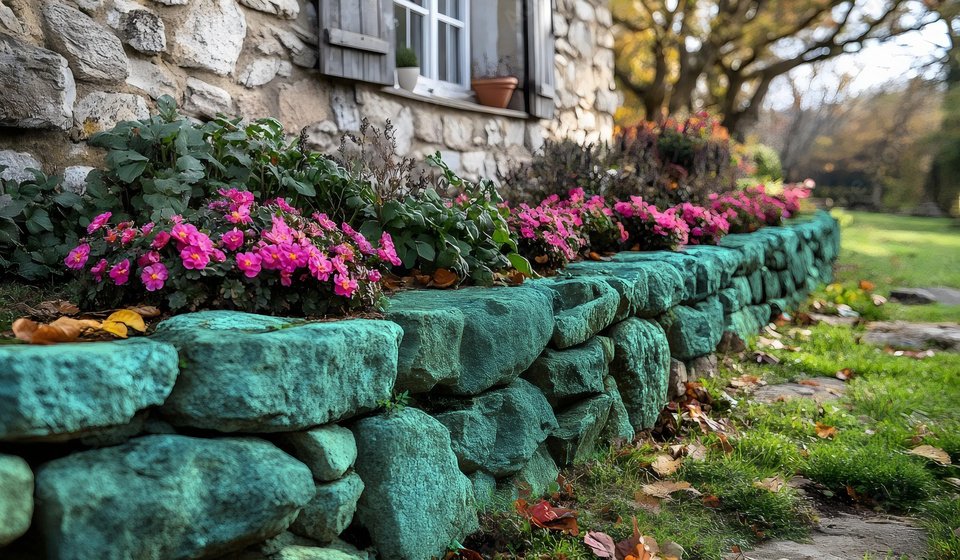
    Blue stone retaining walls

    How Durable is Bluestone walls?

    Bluestone is one of the most durable stones used in outdoor construction. If Bluestone walls installed correctly and maintained well, it can last between 30 to 100 years—sometimes even longer!

    That is why you will often see it in old homes, walkways, and walls that have stood the test of time.

    This stone is strong enough to handle:

    • Foot traffic – It does not wear down easily, even in busy areas.
    • Weather conditions – It withstands rain, snow, sun, and freezing without disintegrating.
    • Hard abuse – It is used commonly in driveways, steps, and patios.

    In relation to other stones such as granite or limestone, bluestone provides an excellent combination of beauty and durability. It is less troublesome to work with than granite and more resistant than most types of limestone.

    When applied to blue stone retaining walls, it serves to resist soil, contour your yard, and make lovely levels in your garden all while lasting for decades.

    Does Bluestone walls Crack Easily?

    Bluestone is durable, but as with all natural products, it can crack if it’s not properly installed.

    The most typical causes of cracking are:

    •  A weak or unstable base under the stone.
    • Heavy load on thin slabs of stone.
    • Ground settling or freezing and thawing.

    However, relax—there are easy ways to prevent this from occurring:

    Get the base right: Ensure the ground beneath the stone is flat, firm, and solid.

    Go thicker on the stone: Thicker slices are ideal for areas with a lot of pressure.

    Seal the surface: A good sealant can keep the stone


     safe from water, stains, and heat changes.

    Due to its durability, bluestone finds extensive use in constructional works such as Blue stone retaining walls, where stones should remain strong for years.

    Does Bluestone Change Colour Over Time?

    Yes, bluestone does change colour gradually, particularly if used outdoors. This is natural weathering. After several years, you may see it losing some colour or developing rusty patches. This occurs because:

    Rain and sunlight – These natural forces can subtly alter the colour.

    Air exposure – Oxygen leads to the stone’s “oxidizing,” which can produce warm colours.

    Application of sealers – Sealers may either preserve the colour or subtly alter it, depending on their type.

    color faded blue stone walls

    The finish on the surface of the stone also plays a role:

    Thermal finish: This is smooth and more evenly coloured.

    Natural cleft finish: It is coarser and has more colour shifts and texture.

    Others prefer how the stone evolves over time—it makes it look like a naturally aged stone. To preserve the original colour, simply seal the stone often and clean it carefully.

    Can Bluestone Be Power Washed?

    Yes, you can power wash bluestone, but you must be cautious. Too much pressure may harm the surface or put tiny chips in the stone. Here are some precautions:

    Use a pressure washer that has been set between 1,000 and 1,200 PSI.

    Always use a fan tip nozzle rather than a thin one.

    Clean a small area first to observe how the stone will respond.

    Avoid using harsh chemicals. Use stone safe, pH-neutral cleaning products.

    Clean the stone every year or two—more frequently if it is in a shaded or wet location.

    Power washing is an excellent method to eliminate grime, moss, and stains, but avoid overdoing it. Excessive cleaning will erode the stone with time.

    Does Bluestone Crack Under Heat

    Bluestone is heat-resistant by nature, meaning it will not crack easily when heated. It is therefore ideal for outdoor spaces such as:

    • Pool decks
    • Fire pits
    • Patios and grill stations

    It will not melt, warp, or break with regular heat. However, if the bluestone is extremely thin or improperly installed, heat will still destroy it.

    Here is how to keep it safe:

    Utilize thicker sections of bluestone in high-heat zones.

    Leave some space between stones to accommodate expansion.

    Seal the stone to make it resistant to heat and extreme temperature changes.

    Due to its excellent heat resistance, bluestone is ideal for sunny yards as well as spaces where you would like to incorporate fire features or grills. These tips will help to prevent wall failure

    Ideas for Best Bluestone Walls

    Bluestone is perfect for more than floors. It also forms great, durable walls. You can construct. Here are 4 best blue stone retaining walls ideas.

    • Garden walls
    • Raised flower beds
    • Outdoor seating
    • Blue stone retaining walls

    blue stone retaining walls ideas

    There are two primary methods for constructing with bluestone:

    Dry-stack: Bluestone is stacked without the use of cement. This provides a natural, country appearance and enables water to seep through freely.

    Mortared walls: Bluestone is bound by cement or mortar. These are more solid and can support greater weight.

    For a breathtaking blend of form and function, Blue stone retaining walls are perfect for both sloping yard spaces and tiered garden beds. They create contours to the land, stand against erosion, and give your area a natural appearance.

    Conclusion & Key Takeaways

    Bluestone is a hard, gorgeous stone that can survive for generations if properly maintained. It is a popular choice for outdoor areas because it withstands weather, wear, and heat.

    Here is the takeaway:

    • Bluestone will survive 30–100 years if cared for.
    • It won’t crack easily as long as it’s properly installed.
    • It might change colour as the years go by, and this can be a blessing!
    • You can power wash safely, but low pressure.
    • It is heat-resistant and great for sunny, warm spaces.
    • Blue stone retaining walls are long lasting and look amazing.

    If you are ready to improve your outdoor space with Blue stone retaining walls , contact John Walters Landscaping. Our team can help you choose the best stone and design for your home—whether it is a patio, walkway, or Blue stone retaining walls.

  • What Should a Retaining Wall Be Made Of?

    What Should a Retaining Wall Be Made Of?

    A retaining wall is a soil-restricting wall. It prevents dirt from sliding down a slope and keeps your yard or garden tidy and secure.

    Choosing the right material is very important for Retaining Walls Services. It should be strong, look nice, and last for a long time. Otherwise, your wall may break or need repairs sooner than expected.

    In this blog, you will learn what materials work best, simple design rules, and answers to common questions. As a result, you will be ready to make smart choices for your yard.

    What Should a Retaining Wall Be Made Of?

    Retaining walls are most often constructed with concrete blocks, poured concrete, stone, brick, timber (wood), or gabion baskets (rock-filled wire cages). The most effective material for retaining wall construction will vary based on your area, your funds, and the appearance you wish to achieve.

    Various Types of Retaining Wall Materials

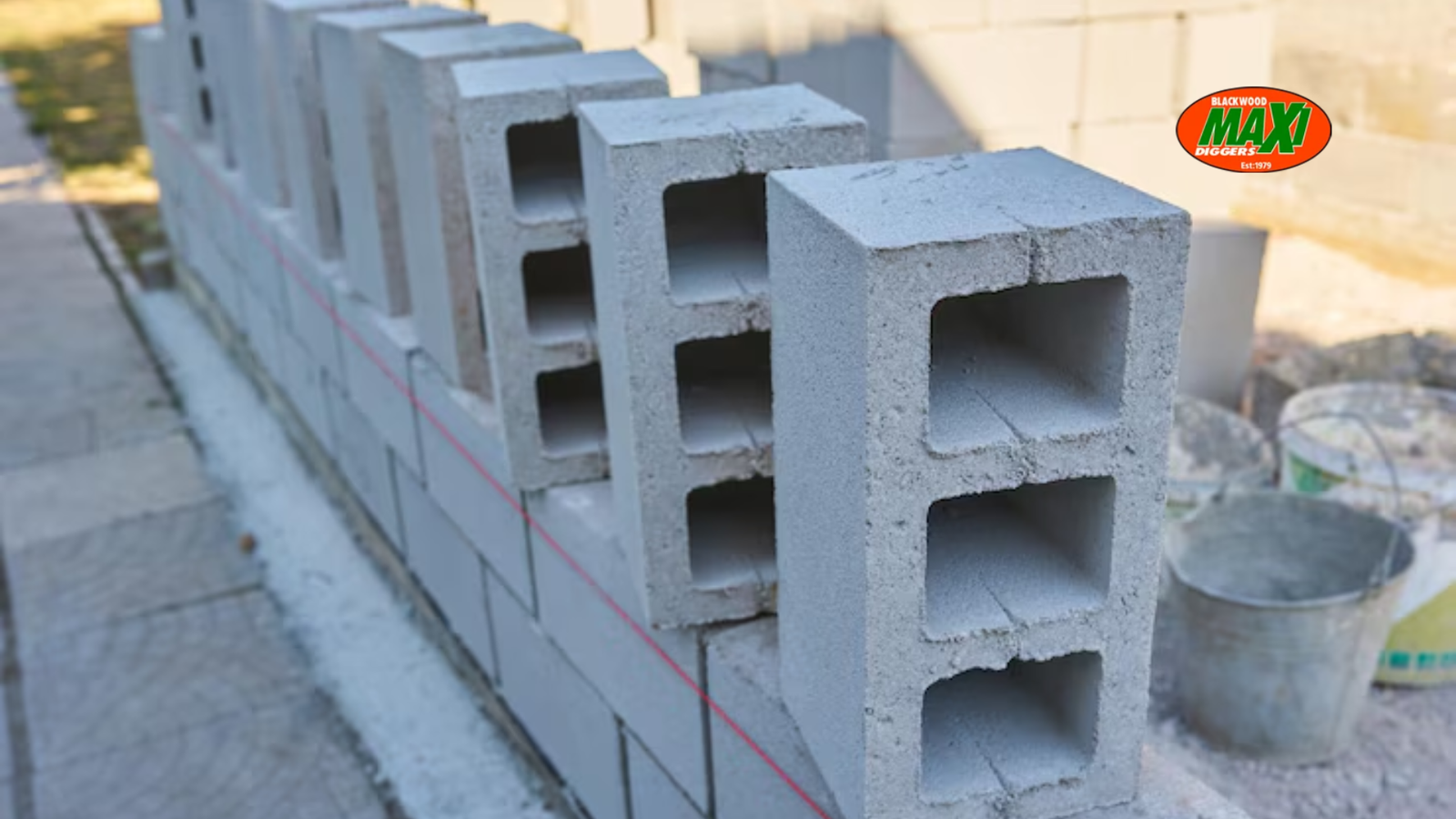
    Concrete Blocks

    Positive: Simple to use, robust, appearance modern

    Negative: May require additional support when building high walls

    Ideal for: Small residential projects

    Concrete Blocks retaining walls

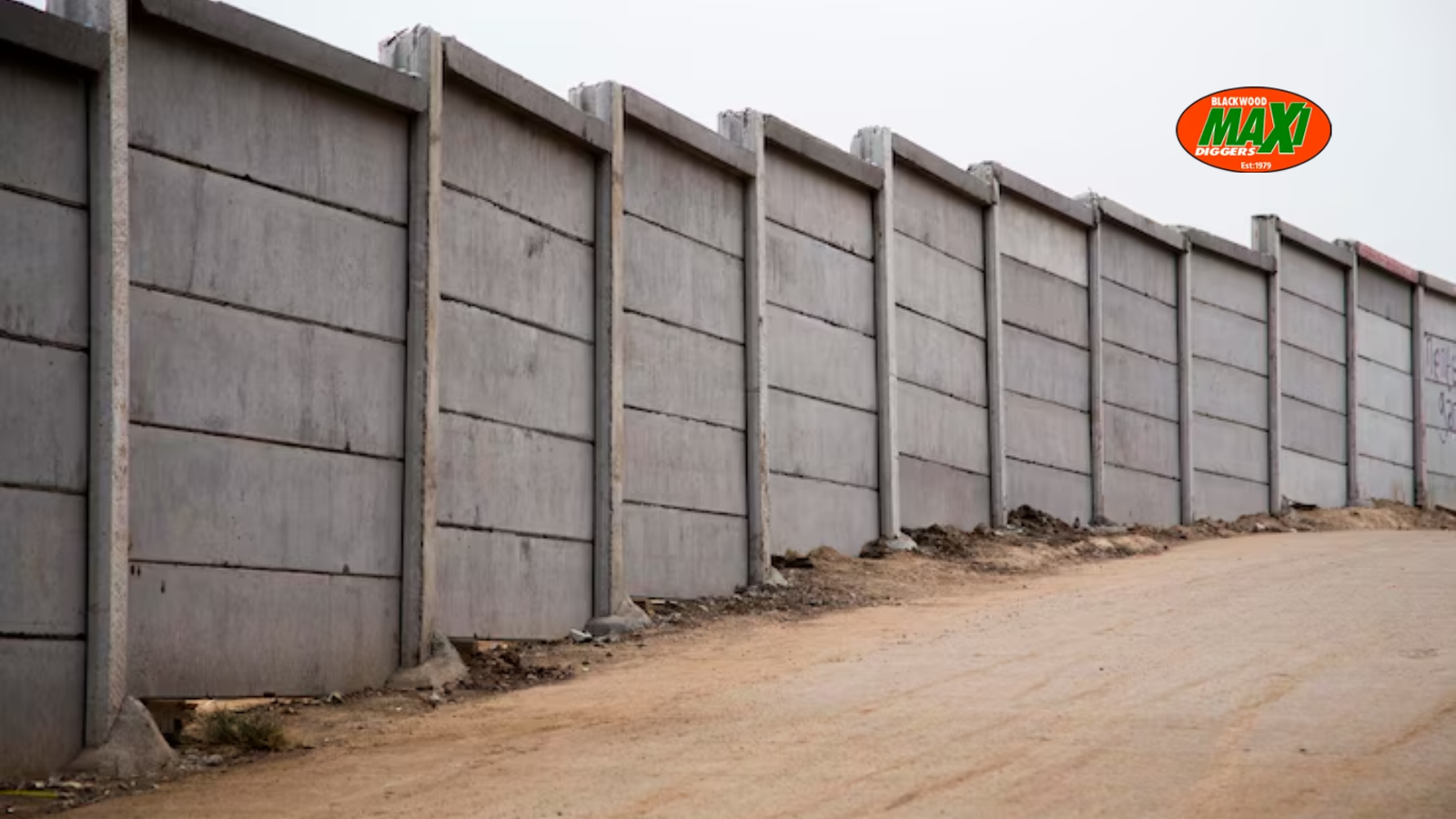
    Poured Concrete

    Good points: Extremely strong, long lasting

    Not so good: More expensive, requires a builder

    Best suited for: Large walls and heavy work

    Poured Concrete retaining walls

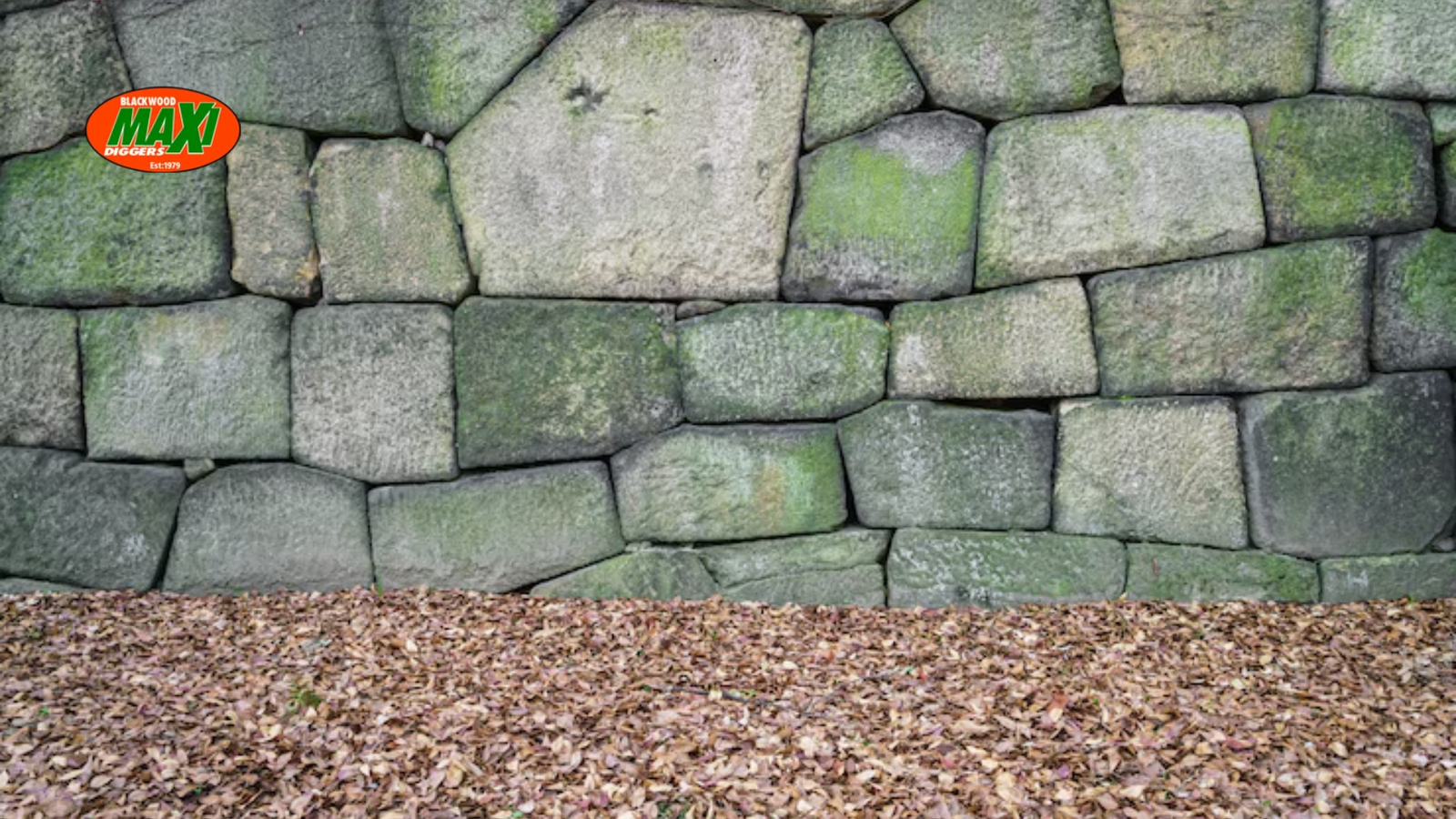
    Stone

    Good points: Natural, attractive, sturdy

    Not so good: Heavy and expensive

    Best suited for: Decorative gardens

    stone walls

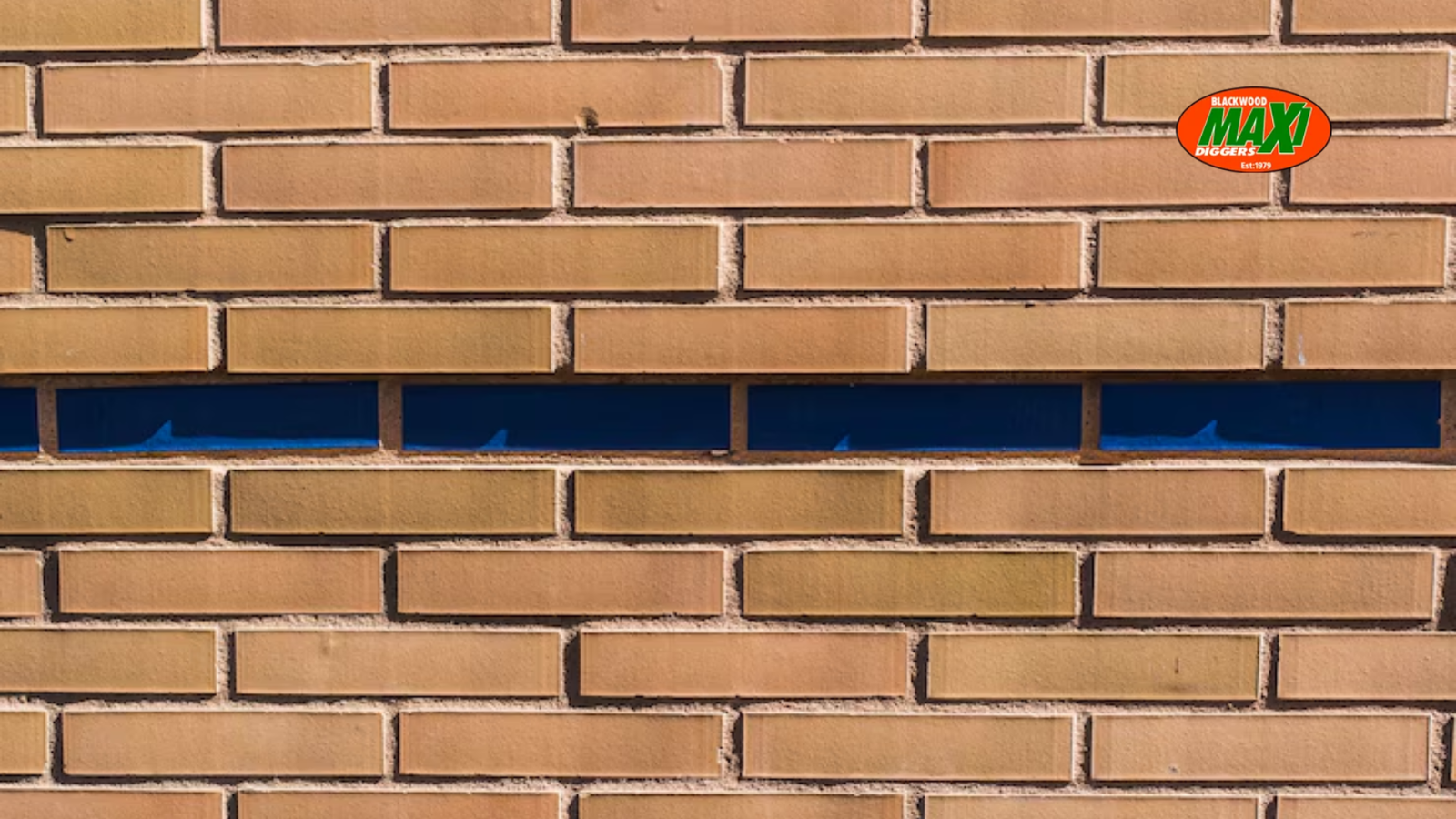
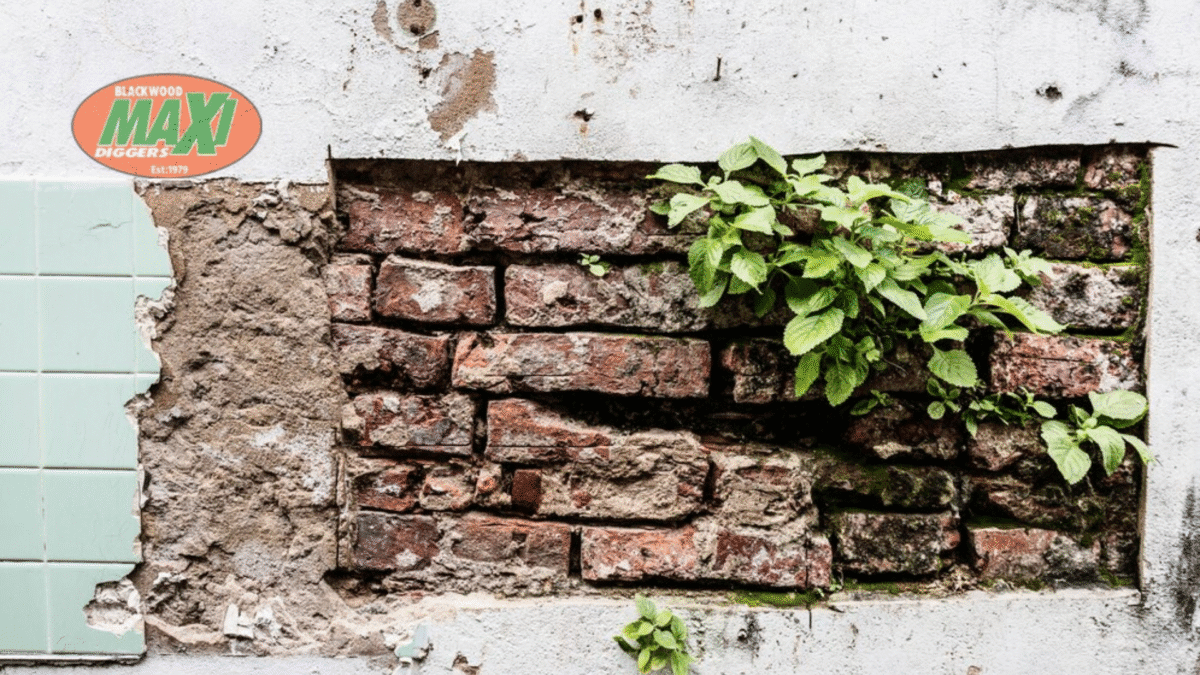
    Brick

    Good points: Traditional look

    Not so good: May crack in damp weather

    Best suited for: Low decorative walls

    brick retaining walls

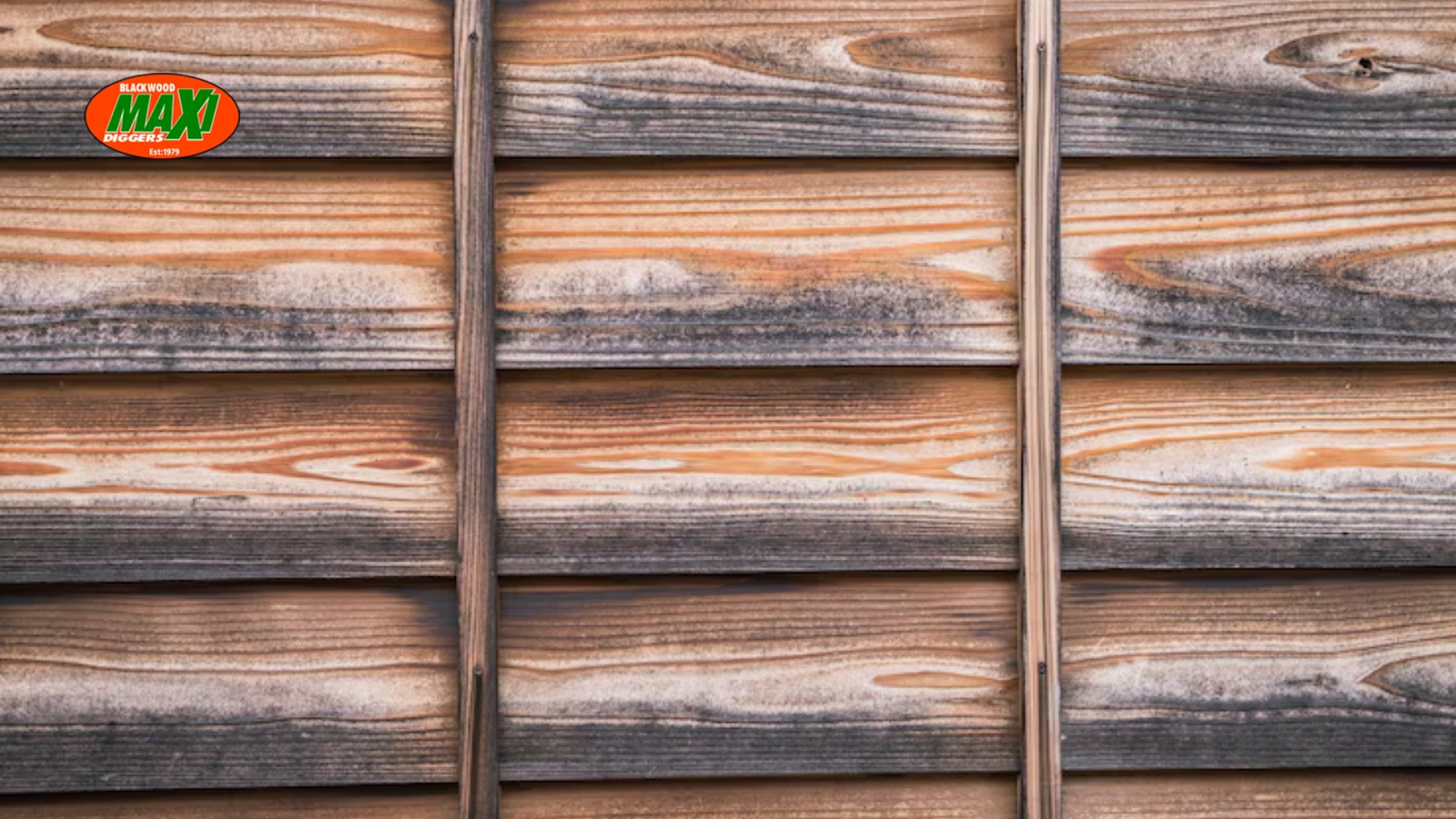
    Timber (Wood)

    Good points: Inexpensive, readily available

    Not so good: May rot or become infested with bugs

    Best suited for: Short- or small-term walls

    timber woods retaining

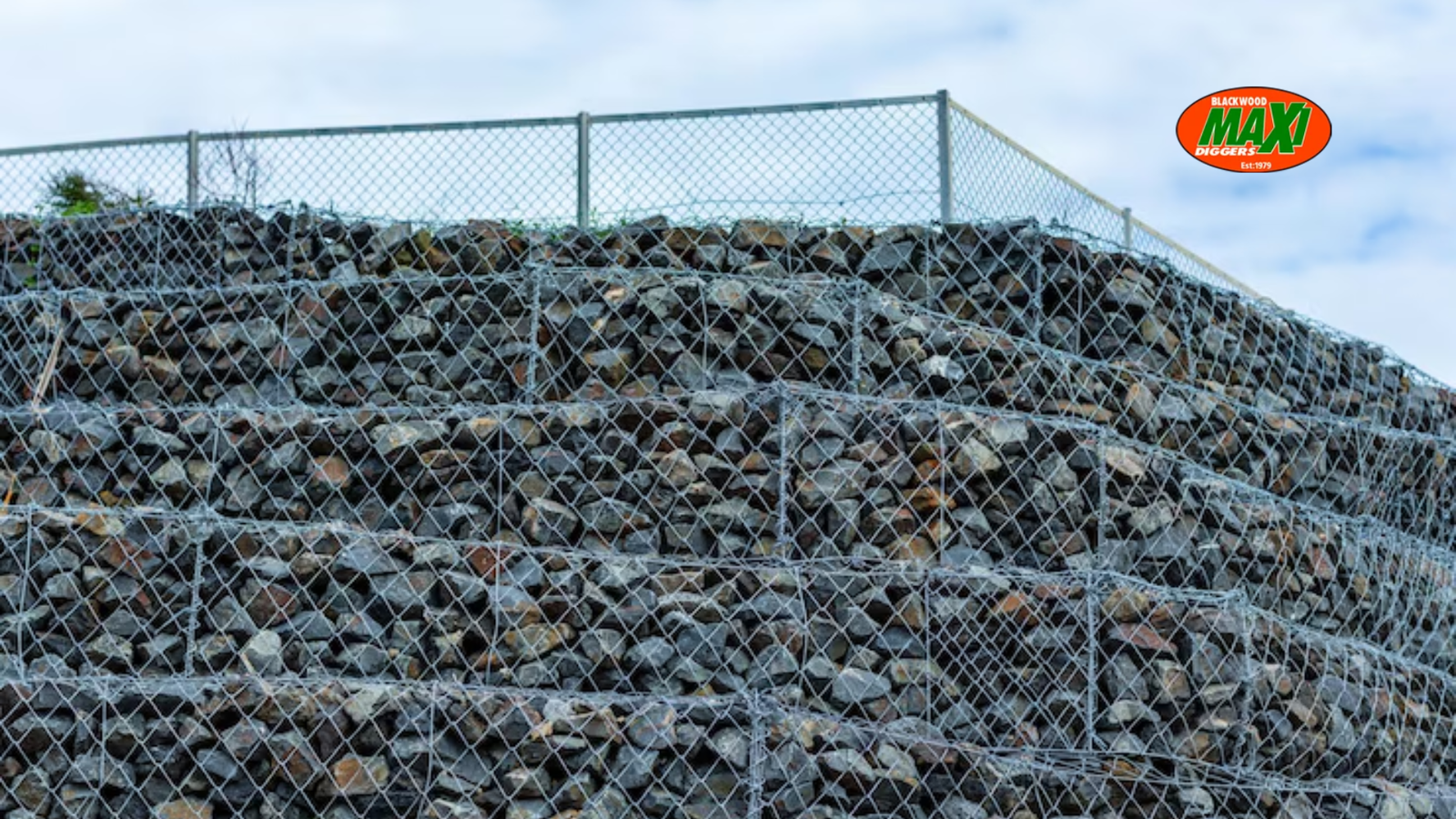
    Gabion Baskets

    Good things: Good for water flow, very sturdy

    Not so good: Not fancy looking

    Best for: Farms, large slopes

    Gabion Baskets retaining walls

    All of these Retaining Walls Services materials have their advantages and disadvantages. So, take your time and select the one that will suit your yard and you.

    What is the Minimum Thickness of a Retaining Wall?

    Minimum wall thickness for a retaining wall is around 200mm (8 inches) for a small wall. For larger concrete walls, it should be 300–400mm (12–16 inches). If you don’t maintain this standards then you will face fetal wall failure.  

    What Influences Wall Thickness?

    A number of factors influence the thickness your wall should be:

    How high the wall is – Higher walls must be thicker

    What is it constructed from – Concrete is thinner than timber?

    How much dirt it retains – More pressure requires greater strength

    If it has drainage – Good drainage lowers pressure

    Do You Need to Obey Building Regulations?

    Yes! In most places, such as Australia, councils have regulations regarding the thickness and height of walls. Therefore, it is wise to inquire about local regulations prior to building.

    In addition, some walls are required to be waterproofed or steel bars are installed in them to make them more solid. Particularly for walls that are close to heavy loads or wet conditions.

    What is the Minimum Spacing between Retaining Walls?

    Leave 2 to 4 feet (0.6 to 1.2 meters) between two retaining walls. This allows the soil room to shift and water a path to drain.

    Why Spacing Is Important

    Spacing is necessary for several reasons:

    1. This spacing keeps both walls strong and steady.
    2. A clear gap allows water to flow out easily.
    3. Proper distance also helps prevent soil from pressing too hard against the walls.

    Conversely, if you prefer tiered walls (walls constructed like stairs), they can be closer together. However, they have to be professionally designed.

    What is the Basic Rule of Retaining Wall Design?


    The most crucial rule is this: a retaining wall needs to hold back soil safely, allow water to drain, and be supported by a solid base.

    Various Types of Walls

    Gravity Wall – Strong and heavy by itself

    Cantilever Wall – Utilizes a base to counteract soil pressure

    Anchored Wall – Utilizes cables to retain its position

    Important Design Rules

    Here are some easy design tips:

    • Make the bottom (base) nice and wide
    • Include pipes or holes for the water to drain
    • Put gravel, not clay, in the back of the wall
    • Waterproof the wall if necessary
    • Ensure the wall slopes backwards slightly into the ground

    These actions make your wall stronger and more durable.

    Which Wall is Most Stable?

    Poured concrete walls are the most stable, particularly for high walls or heavy loads.

    Comparing Wall Strength

    Here is a comparison of wall materials from strongest to weakest:

    • Poured Concrete
    • Concrete Blocks
    • Stone
    • Brick
    • Gabion Baskets
    • Timber

    If you require a solid wall for a steep bank or close to a driveway, select a durable material and seek professional assistance. Consequently, your wall will be durable and secure for many years.

    You can also hire Retaining Walls Services that provide professional designs and durable construction.

    Professional Tips for Selecting the Ideal Material

    Things to Consider:

    • Weather – For rainy places, select materials that do not rot
    • Budget – Wood is less expensive, but concrete is more durable
    • Maintenance – Some materials require more maintenance than others do
    • Availability – Use materials that are available where you are
    • Appearance – Coordinate the wall with your home or yard

    Each yard varies. Therefore, it is best to consult a professional who knows how to select the appropriate material.

    Conclusion

    Retaining walls are helpful and make your yard beautiful. Choosing the ideal material for retaining wall work keeps your wall in good condition and allows it to last long.

    If you need professional assistance, hire John Walters Landscaping. We specialised in the best Retaining Walls Services. Whether you want a little one for your garden or a sturdy one for your driveway, we are here to assist you.

    Call us now and get a quote. Let us create a wall that performs and looks fabulous!

  • What is the Right Option for Your Driveway?

    What is the Right Option for Your Driveway?

    Considering a new driveways construction? Be sure you are choosing the right material. Many people confuse the terms cement and concrete, but they are different. They sound alike, but they function quite differently, particularly when you are constructing something as vital as a driveway.

    If you are a property owner who is going to construct a driveway or a professional who works on driveways, this article will make you realise the fundamental differences between concrete and cement. It will enable you to select the ideal material for your next driveway-building project.

    Cement vs. Concrete: What is the Difference?

    Let us simplify it into simpler terms:

    Cement is a greyish, fine powder. When you add water to it, it becomes sticky glue. It is sort of like glue. If you leave it alone, it does not have the strength to do big things like driveways.

    Concrete is a combination of cement and small stones (also referred to as aggregates) + water. When all these are combined, they create a hard, sturdy material that can carry a lot of weight. That is what the majority of driveways are composed of.

    Why the Difference Matters

    They always mention that they have a “cement driveway,” but what they actually do have is a concrete driveway. It is not a big deal, but cement and concrete are quite different when it comes to:

    ⇒      How long they last
    ⇒      How long they will last

    ⇒      How much they cost in the end

    ⇒      How they appear

    Quick Comparison Table


    Feature Cement (Not for Driveways) Concrete (Best Choice)
    What It’s Made Of Cement + water Cement + sand/stone + water
    Strength Weak Strong and tough
    Lifespan Cracks easily Lasts 30–50 years
    Cost Looks cheaper at first Costs more at first but saves money later
    Maintenance Needs lots of fixing Needs some care, not too much
    Style Options None Lots (color, texture, patterns)

    Which Is Better for Driveways? (Spoiler: It is Concrete)

    Planning a driveways construction project? Concrete is the way to go.

    If you only use cement, the surface will crack and deteriorate quickly. It will not be able to support cars or withstand rain, sun, or snow. That is why experts always use concrete for driveways. It is durable, long-lasting, and designed to withstand heavy use.

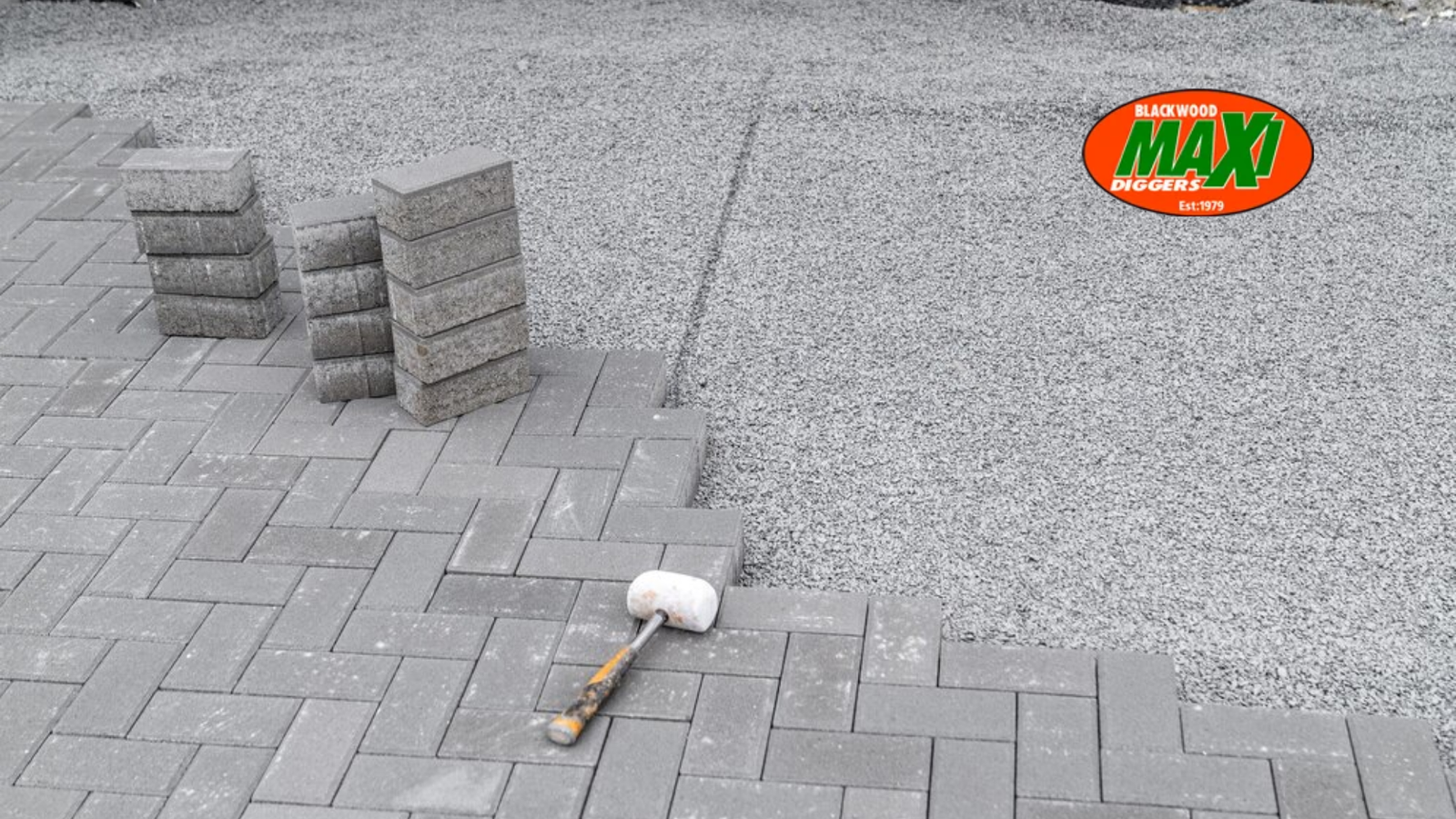
    driveways construction

    Cost Comparison: Concrete vs. Cement

    Concrete driveways typically cost between $5 and $12 per square foot, depending on the thickness and how elaborate the finish is.

    Cement-only driveways, which are not typical, may look less expensive upfront—but they will crack quickly and require repairs or replacement. That is more expensive.

    So, even though concrete is more expensive to begin with, it saves you money in the long term. It is a better bargain for your driveways construction.

    Durability & Lifespan

    A properly installed concrete driveway and maintained concrete driveway can easily last 30 to 50 years! A concrete driveway is capable of standing heavy cars, extreme weather, and temperature swings.

    Cement alone? Maybe it will not even last three months or one year. Which is why cement is not ideal for driveways.


    How to Make Concrete Longer Lasting

          ⇒  Use durable reinforcement such as rebar or steel mesh

          ⇒  Allow it to dry and harden (referred to as curing) for a minimum of 7 days

          ⇒  Seal it every few years to prevent it from water and stains

    Maintenance Requirements

    Concrete is easy to care for if you do a few simple things:

          ⇒  Seal it every 2 or 3 years

          ⇒  Clean up spills (like oil) immediately

           Repair small cracks before they turn into big ones

    By doing those, your concrete driveway will look good and stay longer.

    Cement-only driveways would have to be continuously repaired, which is a headache and expensive. Another good reason not to do cement alone!

    Installation Process: What Happens?

    It does require some skill to construct a concrete driveway, so it is best left to the professionals generally. Here is how it works:

    1.     Prepare the site – Clear out old material, level the land
    2.     Install a base layer – Typically gravel or crushed stone
    3.     Install reinforcement – Such as steel bars or mesh
    4.     Pour the concrete – Carefully mixed and laid out
    5.     Finish the surface – Include patterns, color, or texture
    6.     Let it cure – Takes 7 to 14 days to fully harden

    Following all these steps correctly ensures your driveways construction will have a long life.

    Aesthetic Options with Concrete

    Concrete doesn’t just have to be plain gray, it can actually look really cool! You can make your driveway match your home’s style by choosing:

    • Stamped concrete – Looks like brick or stone
    • Colored concrete – Pick a color you like
    • Exposed aggregate – Shows off the tiny stones inside
    • Brushed finish – Gives a clean, textured look

    Cement by itself? Just boring gray. No color, no patterns, no fun.

    Common Myths & FAQs

    Is a cement driveway cheaper?

    Not really. It may seem cheaper at first, but it doesn’t last and will cost more to fix.

    Can I use only cement for my driveway?

    Nope. Cement isn’t strong enough. It will crack and break quickly.

    Why do people say ‘cement driveway’ if they mean concrete?

    It’s just a mistake. Cement is one part of concrete, but concrete is what you actually use for driveways.

    Final Verdict: What Should You Choose?

    If you’re replacing or building a driveway, concrete is the best choice. Here’s why:

    • It’s strong and holds up under cars
    • It lasts 30–50 years
    • It can be made to look great
    • It saves you money over time
    • It’s the smart choice for any driveways construction


    Cement might sound right, but it’s not what you want. Concrete is the real deal.

    Ready to Start Your Driveway Project?

    Picking the right material is just the first step. For expert advice, skilled workers, and a driveway that looks great and lasts, call John Walters Landscaping.

    We’ve been building long-lasting, beautiful concrete driveways for years. Whether you want something simple or something stylish, we’ll help you get it done right.

    Contact John Walters Landscaping today and let us help you start your driveways construction the smart way!

  • What is the most common retaining wall failure?

    What is the most common retaining wall failure?

    Have you noticed a wall in someone’s garden supporting a sloped hill or a flower garden? We call that kind of wall a retaining wall. Builders construct it to prevent soil erosion.

     These walls help in converting sloped land to flat and stable land. However, sometimes these walls are prone to breakage and collapsing. These incidents are referred to as retaining wall failure. Many people hire Retaining Wall Services experts to avoid such complications. These professionals build them the right way to avoid the walls from toppling over.

    Water pressure is the most prevalent reason for retaining walls failing; walls tend to crack, lean, or even topple when water builds up behind them with nowhere to go.

    Fortunately, you can build walls in a way that mitigates these issues if you construct them properly from the start!

    Retaining Wall Services

    What are the 7 ‘Do Nots’ for Installing Retaining Wall Blocks?

    Like many structures, retaining walls can fail when not done properly the first time around. Instead of facing extensive wall repairs months down the line, it is much wiser to hire a professional retaining wall service to ensure the builders construct the wall correctly from the start.

     Regardless, here are the seven mistakes that you would not want to make if you did choose to take on the challenge of retaining walls:

    1. For Not Providing Water With A Way Out

    Walls need some form of ventilation for rainwater to escape. If not, water retention will build up and start putting pressure on the structure, which could lead to disastrous results.

    2. Not Having A Sturdy Base

    Topsoil or soft, unlevel foundations can cause blocks to sink or tilt, leading to numerous problems down the line.

    3. Using Blocks Aimed For Decoration Rather Than For Concrete Strength

    Not every block or stone can withstand the tension formed when dirt is pushed against it. Some blocks are only reliable when it comes to holding back dirt.

    4. Poorly Considered Wall Design

    Some walls are built without a good plan. A wall should be able to withstand the height and the weight of the soil behind it.

    5. Poor Dirt Selection

    Bringing back the same dirt that is behind the wall without any gravel or rock would generally cause water retention and build-up problems.

    6. Lack of Special Reinforcement (Geogrid)

    Netted structures known as geogrids provide the additional support large walls rely on to keep dirt and concrete in their intended positions.

    7. Noncompliance with Protocols

    Every city has its distinct set of construction guidelines. Not adhering to these protocols would result in the need to demolish and reconstruct the wall or incur monetary penalties.

    What is the lifespan of the retaining wall?

    The nature in which retaining walls are constructed and the components used determine how long they can last. Here are estimations for each kind:

    Wooden Walls: 15-25 years. Aside from looking good, wood is prone to rotting and being infested with bugs.

    Concrete Block Walls: 30-50 years. Good drainage increases their durability, and these are strong and last longer.

    Poured Concrete Walls: 50-100 years. Very strong and often used in big projects.

    Stone Walls: 50 years or more. While strong and pretty, stone takes longer to build.

    You can enhance the longevity of your walls by performing regular maintenance. This involves monitoring for cracks, ensuring proper water flow, and controlling the growth of roots from nearby vegetation.

    retaining wall

    Ways of Preventing the Failure of Retaining Walls

    To maintain the strength of a wall over time, proper construction and regular upkeep are essential. This can be best achieved by contacting specialised retaining wall services. To avoid the failure of these walls, here are some simple suggestions:

    1. Allow Water To Drain

    Water can be drained using drainpipes, weep holes, or backfill rock.

    2. Correct Construction Materials Must Be Followed

    Use only strong blocks or dirt-retaining materials. Avoid using weak materials.

    3. Build a Solid Bottom

    Construct a level and compacted base using gravel. This will help prevent wall settlement and lateral movement.

    4. Additional Support

    Use geogrid or strong ties to physically connect the wall and soil for added aid. This is important, especially for taller walls.

    5. Don’t Build Too Tall

    The walls have height limitations, and if they need an engineer, then you know you’ve gone too far. While building your wall, make sure that you do not go over the height limit unless you want to get expert help.

    6. Test and Polish

    Examine your wall every year. Always check for water flow and make sure there are no cracks forming at the seams.

    7. Plant Smart

    Methodically place foliage. Avoid using trees with large crowns and deep roots on the side of the wall, as they might push against the wall and cause breakage.

    Understanding the reasons behind the most common retaining wall failures aids in maintaining the balance of these walls. Quite often, the source of the concern is stagnant water.As long as you take adequate measures while building the wall and maintain it properly, your wall will last for years. Make sure to seek out Retaining Wall Services to ensure the builders construct it correctly from the start.

  • Residential Landscaping Services in Adelaide

    Residential Landscaping Services in Adelaide

    Having a good yard enhances the beauty of your home. In case you live in Adelaide and want to improve your outdoor space, residential landscaping services in Adelaide will be to your aid. They have the ability to transform simple lawns into stunning gardens. Landscaping can do it all, whether you want a tranquil private retreat in your backyard or an exciting area for your children to enjoy.

    What Makes Residential Landscaping Services in Adelaide Special?

    Your yard is the first thing people see when they visit your home, and this is why it matters. It does not create an excellent impression if the lawn is dry and untidy. Everything looks fantastic when it is planned, tidy, and green; a yard ought to be clean as well. This is the benefit that residential landscaping services in Adelaide provide you with.

    We have come across many people attempting to do their yards on their own, and at first sight, it does appear simple. The hard work along with the right plants and space design requires knowledge and time to implement. Professionals understand how to complete these tasks. They ensure your plants will thrive in the weather of Adelaide. They also know which design concepts will work with your area.

    You prevent expensive errors thanks to professional guidance. This alone saves you many hours of work each week. And, landscaping has the potential to boost the overall worth of your home. This is because a well-maintained exterior of a house increases its attractiveness to prospective buyers.

    Where Do Residential Landscaping Services Make the Most Impact?

    You may have the question of where these services are most effective. The almost complete exterior of your home is the answer. One of the most common places requiring landscaping is the front yard. Trimmed hedges, flower arrangements, and neat entry space can enhance the aesthetics of your home in the suburbs.

    Landscaping enables you to set up a private relaxation, reading, or barbeque area in your backyard. Some homeowners prefer to add small patios or decks. Others dream of planting shaded trees and the good news is – a landscaper can help make it a reality.

    Landscaping goes a long way in beautifying driveways and paths. Encumbered spaces and corners of the yard that are normally considered valueless can be transformed into stunning flower beds and play areas. Clean and smooth walkways give your property a polished appearance.

    What Time of the Year Would Be Best For Landscaping In Adelaide?

    Some might wonder when would be the ideal time to commence. Spring and autumn are the most favored times for landscaping in Adelaide. The weather is pleasant and the growth of plants is quite brisk. This enables a better foundation for your garden.

    There should not be any worries about missing those months. It can technically be done any time of the year. You just need to hire a landscaper that understands the seasonal changes. They will know which activities are best done in warmer months versus cooler ones.

    There are also those that wish to landscape before special holidays or birthdays. Any joyous event can be enhanced with a green and fresh yard. So there’s no bad time to start whether it’s for a last minute makeover or a planned project.

    What Is The Function Of A Residential Landscaping Contractor In Adelaide?

    Let’s take a look into how the general working process goes. It all starts when the landscaping team pays you a visit. You get to show them the area that you wish to be landscaped. Once there, they listen to you and create a plan. Based on what is discussed, a simple draft is prepared containing possible locations for the plants, pathways or sitting areas.

    After you reach a consensus on the plan, that is when the real progress starts. A team arrives on the site with the necessary tools and materials to get to work. They arrange and construct everything in a sequential manner. Competent landscapers complete their work in a thorough and timely manner. They pack their things in a manner in which your yard looks clean and polished.

    Your space may take a few days to a couple weeks, but the entire process can take longer. Regardless of the duration, the objective is always consistent – creating an appealing outdoor space for you to use and enjoy daily.

    What to Expect from Residential Landscaping Services in Adelaide

    Relax knowing that a professional team is working while you sit back. The results will be spaces that not only look beautiful, but also fit your lifestyle. Landscapers everyone work on the remains of a tranquil garden, or a play area explosion designed to be entertaining for children.

    In Adelaide most companies work around the clock, as they offer a full array of services. Planning, planting, lawn moving, trimming, and ongoing maintenance are all included. Each of those companies offers workmanship clime attention to quality and want your garden to flourish in the Australian climate.

    Your input is needed in only a few areas. Make sure to clarify what is expected of you. Make them aware of your financial cap. Do not hesitate to ask questions when needed. Mildly sensitive and frank discussions usually help achieve better results.

    Here are a few things you can expect:

    • Timely assistance from team members
    • Custom-tailored ideas and designs
    • Proposed scope of work that is realistic and fairly priced
    • Meticulous results delivered on schedule

    How to Choose the Right Landscaping Company in Adelaide

    You may wonder how to choose the appropriate team. Start with checking testimonials within your locality. Satisfied customers are often a good indicator. Then, request to view the images of their previous work. This displays their competence.

    It is also beneficial to speak to numerous companies. Study their pricing, concepts, and general responses to your queries. A good landscaper will carefully listen to your ideas, not hurry you along. They will guide you step by step while ensuring you do not exceed your financial limits.

    As a final note, remember to check if the company is insured. This is crucial in safeguarding your home as well as giving you confidence. Once you have located a team that meets all your requirements, you can commence.

    Maintaining Your Landscaped Yard

    After landscaping is completed, it is vital to maintain the beauty and aesthetic appeal of your yard. The good news is that it is a straightforward task. Watering your plants is necessary, especially during summer. Cutting the grass once every week also helps maintain a tidy yard. Remember to pull out weeds before they become too big.

    Adding mulch helps in retaining soil moisture, while compost can be used as a nutrient source for the plants. Simple steps like these make a huge difference. If you prefer not to do it yourself, many landscapers offer regular care service.

    Why Adelaide Is Ideal For Landscaping

    Adelaide boasts the most suitable temperatures for the growth of numerous types of plants. It is warm and sunny for most of the year without being overly dry, which explains the surge in homeowners in Adelaide looking to improve their outdoor spaces.

    Also, the city is littered with green parks and gardens. Such spaces encourage homeowners to enhance the beauty of their outdoors. The local landscapers understand the local climate and soil and choose the plants and materials that will last long and thrive well in the area.

    Conclusion

    You now know the why, where, when, and how of utilizing residential landscapes services in Adelaide. These services assist you in creating a garden that not only adds beauty to your home but also complements your way of living.

    There is no need to wait for that “ideal moment.” Get started today and step into a world of tranquility right outside your door.